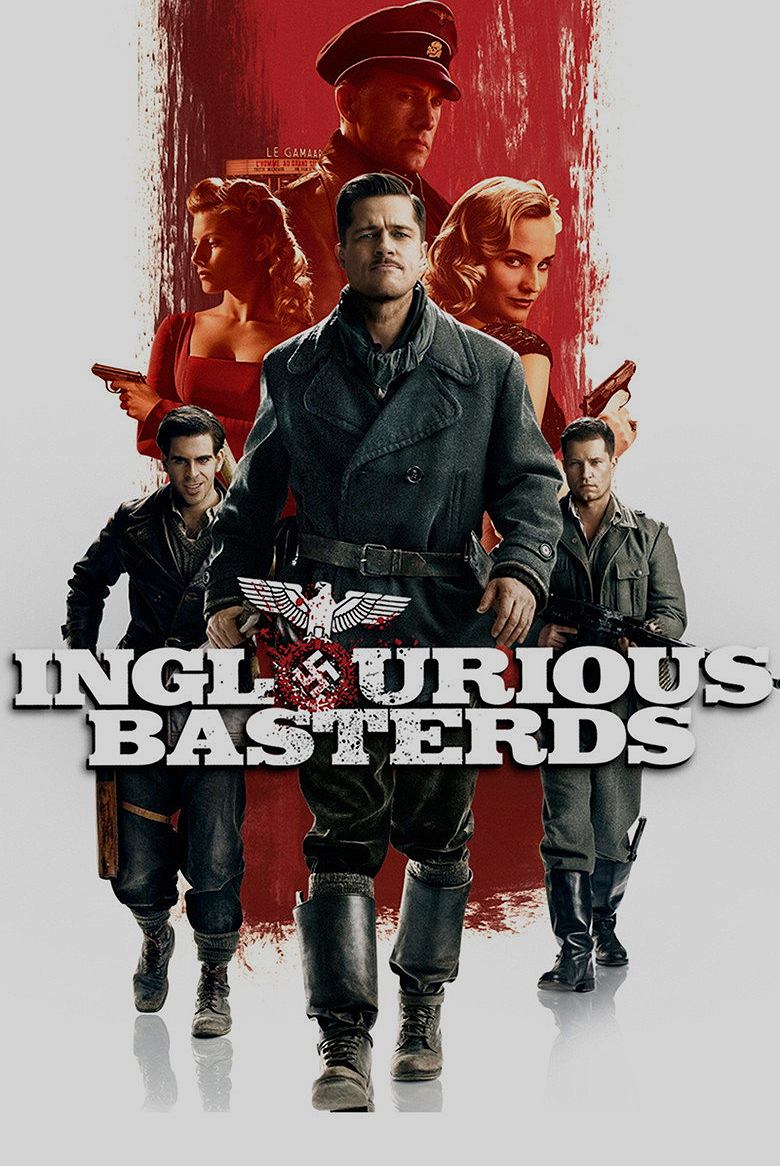
If you think World War II movies must be serious, solemn, and educational, watch 'Inglourious Basterds' by Quentin Tarantino and you'll change your mind. This film isn't just a historical reenactment; it's a rewriting of history with blood, gunpowder, and razor-sharp dialogue that leaves you breathless every time a character speaks.
Plot Summary (No Spoilers)
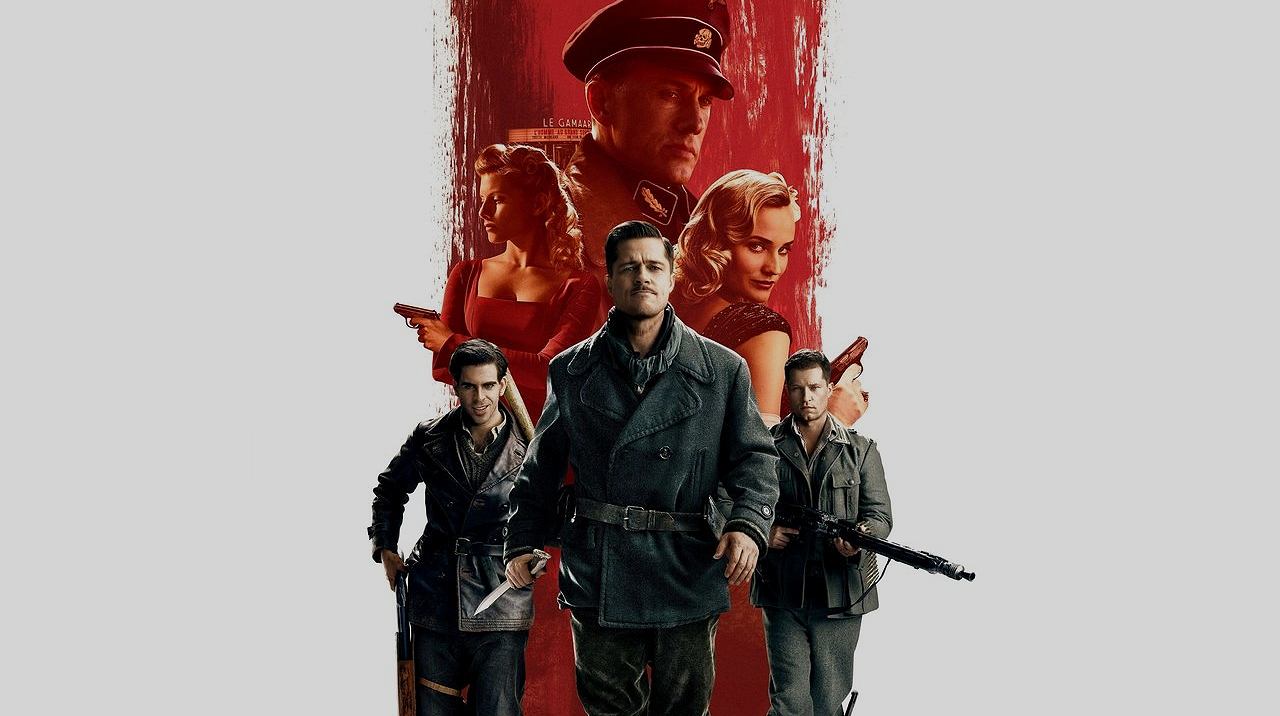
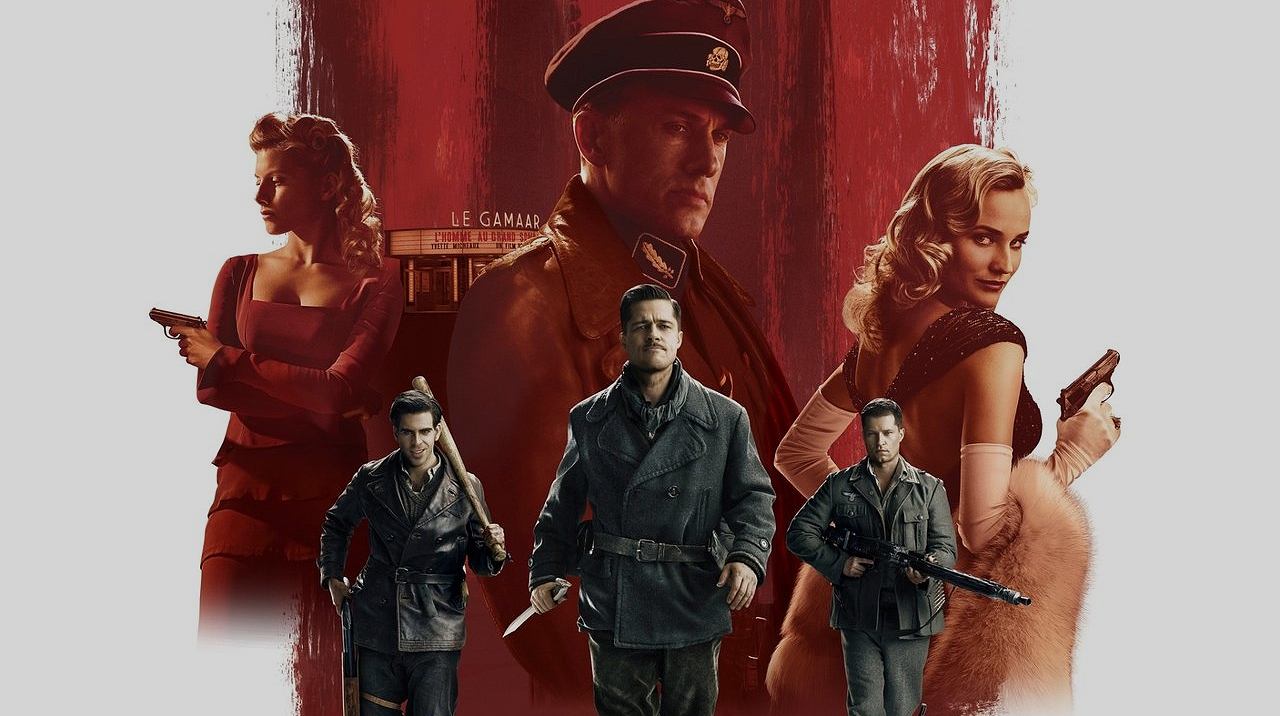
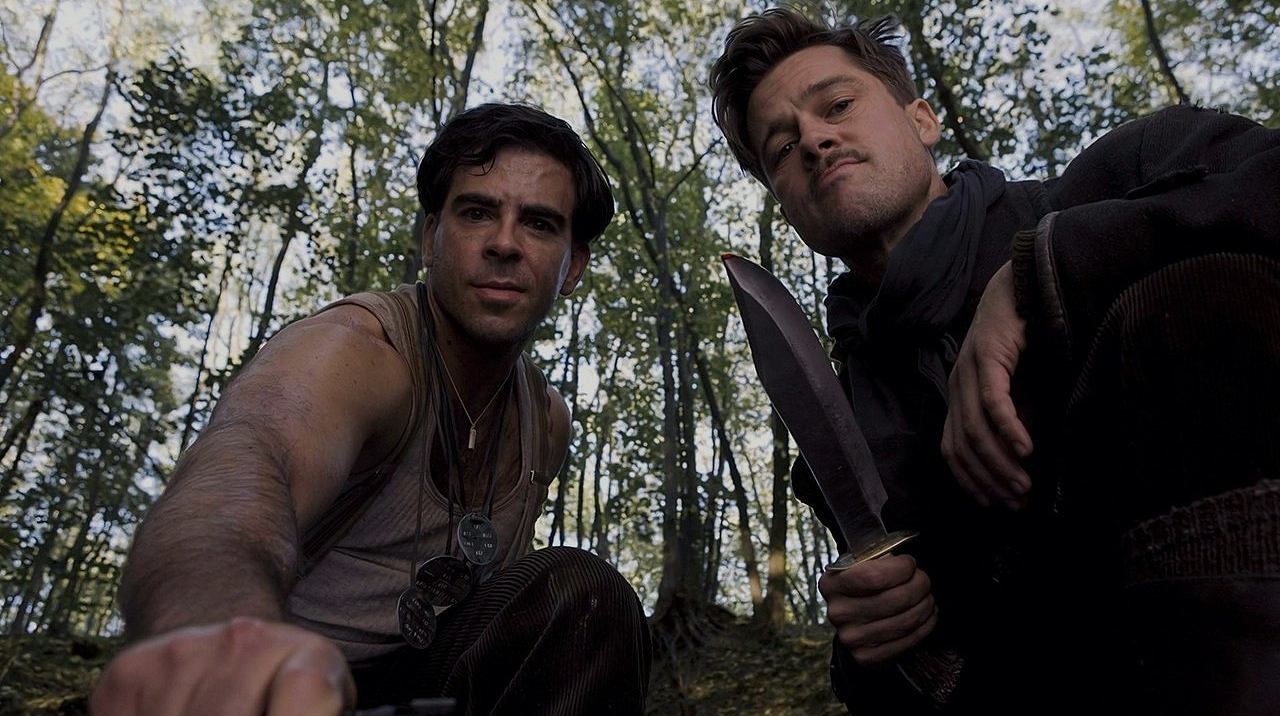
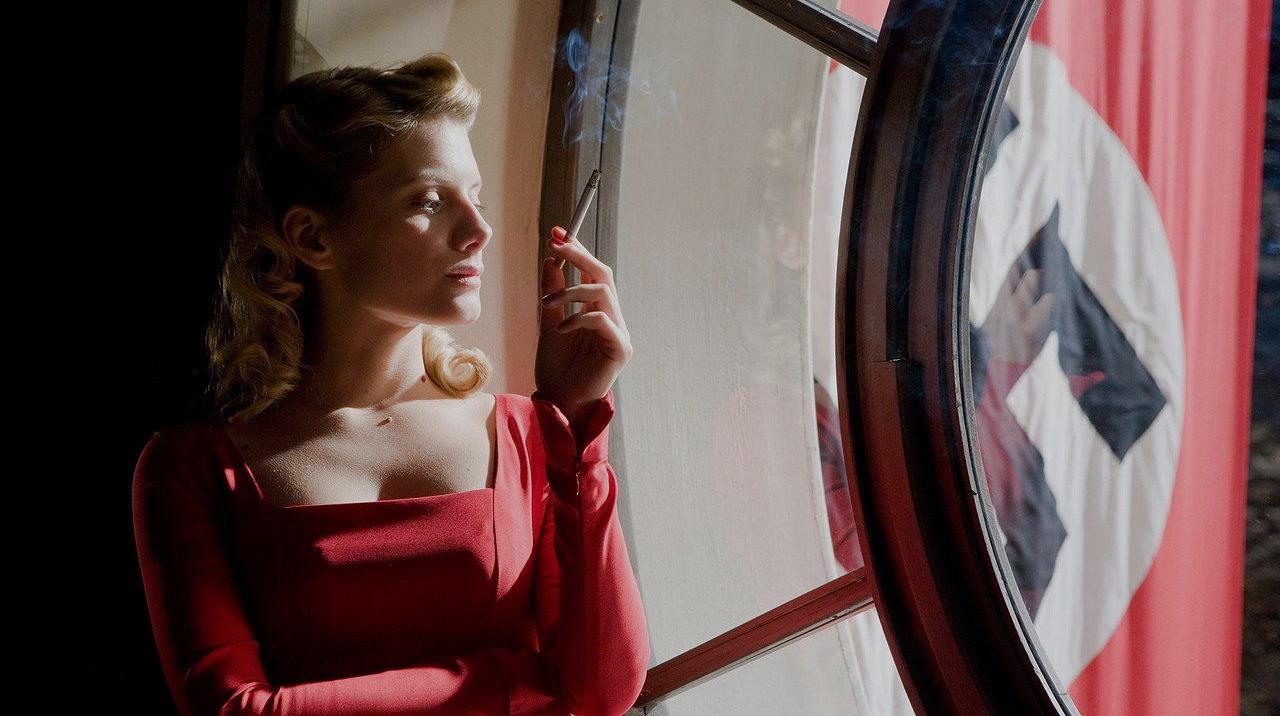
The film is divided into chapters, each like a short film, with two parallel revenge plots. The first is Shosanna Dreyfus, a Jewish woman whose family was killed by Colonel Hans Landa. She escapes to Paris and becomes a cinema owner planning a massive revenge. The second is Lieutenant Aldo Raine (Brad Pitt) leading a group of Jewish-American soldiers called the 'Basterds' on a brutal mission to kill Nazis and instill fear in the German army. Both paths converge at Shosanna's cinema when high-ranking Nazis gather for a propaganda film screening, bringing the historic revenge opportunity.
Acting and Characters
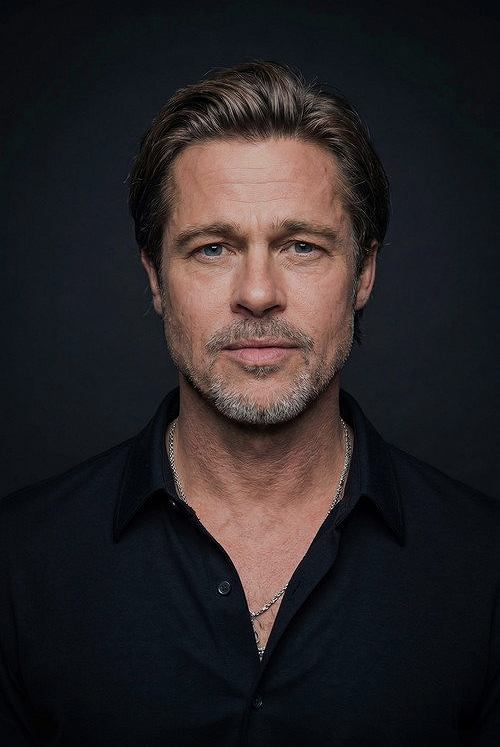
The heart of this film is Christoph Waltz as Colonel Hans Landa, a Nazi who is polite, intelligent, and terrifying all at once. He won the Oscar for Best Supporting Actor deservedly. Every scene he appears in is a masterclass, especially the opening scene where he slowly interrogates a farmer, building tension until you can barely breathe. Mélanie Laurent as Shosanna is a strong and charming character; she's not just a victim but a cold-blooded revenge planner. Brad Pitt as Aldo Raine, though a bit over-the-top with his exaggerated Southern accent, fits Tarantino's style and adds color to the Basterds team.
Direction, Cinematography, and Music
Tarantino proves once again he is a master of building tension through dialogue. The opening scene, lasting nearly 20 minutes, is one of the best in film history. The camera work, lighting, and editing give every second weight. Cinematography by Robert Richardson captures both the beauty of the French countryside and the brutality of war perfectly. The carefully selected soundtrack, from Ennio Morricone to 70s pop songs, enhances the mood and adds fun to the film.
Editorial Analysis
Our editorial team views 'Inglourious Basterds' not as a war film aiming to tell historical truth, but as using history as a canvas to paint a fantasy of revenge. Tarantino cleverly plays with audience expectations, turning Nazis from faceless monsters into charming yet terrifying humans. The film is full of symbols and references to film culture, especially the ending where the cinema becomes a tool for revenge. It's a celebration of the power of cinema to change history (in a fictional world). But what makes this film great isn't just entertainment; it's the questioning of the morality of revenge, the glamorization of violence, and the blurred line between good and evil.
Verdict
For fans of Tarantino and those who enjoy films with sharp dialogue, 'Inglourious Basterds' is a must-see masterpiece. It's fun, brutal, and subtly layered with thought. If you're ready to enjoy a distortion of history and smile at a satisfying revenge, this film won't disappoint.
Screenshots

👍 Pros
- +Sharp dialogue that builds tension excellently
- +Outstanding performances, especially Christoph Waltz
- +Beautiful soundtrack and cinematography that match the film's style
- +Multi-chapter storytelling keeps the film engaging
👎 Cons
- −153-minute runtime may feel lengthy for some
- −Violence and revenge may be too intense for some viewers
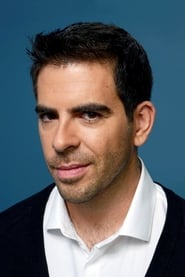
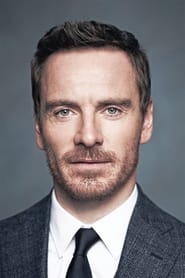
Top Cast


FAQ
Currently, the film is available for streaming on Netflix in some countries, but in Thailand, you may need to rent or buy it on platforms like Apple TV or Google Play.
No, the film is entirely fictional. Although it references historical characters and events, the main plot and revenge are products of Quentin Tarantino's imagination.
Tarantino intentionally misspelled 'Inglourious' and 'Basterds' to match the film's style and as a parody of old Italian films that often had misspelled titles.